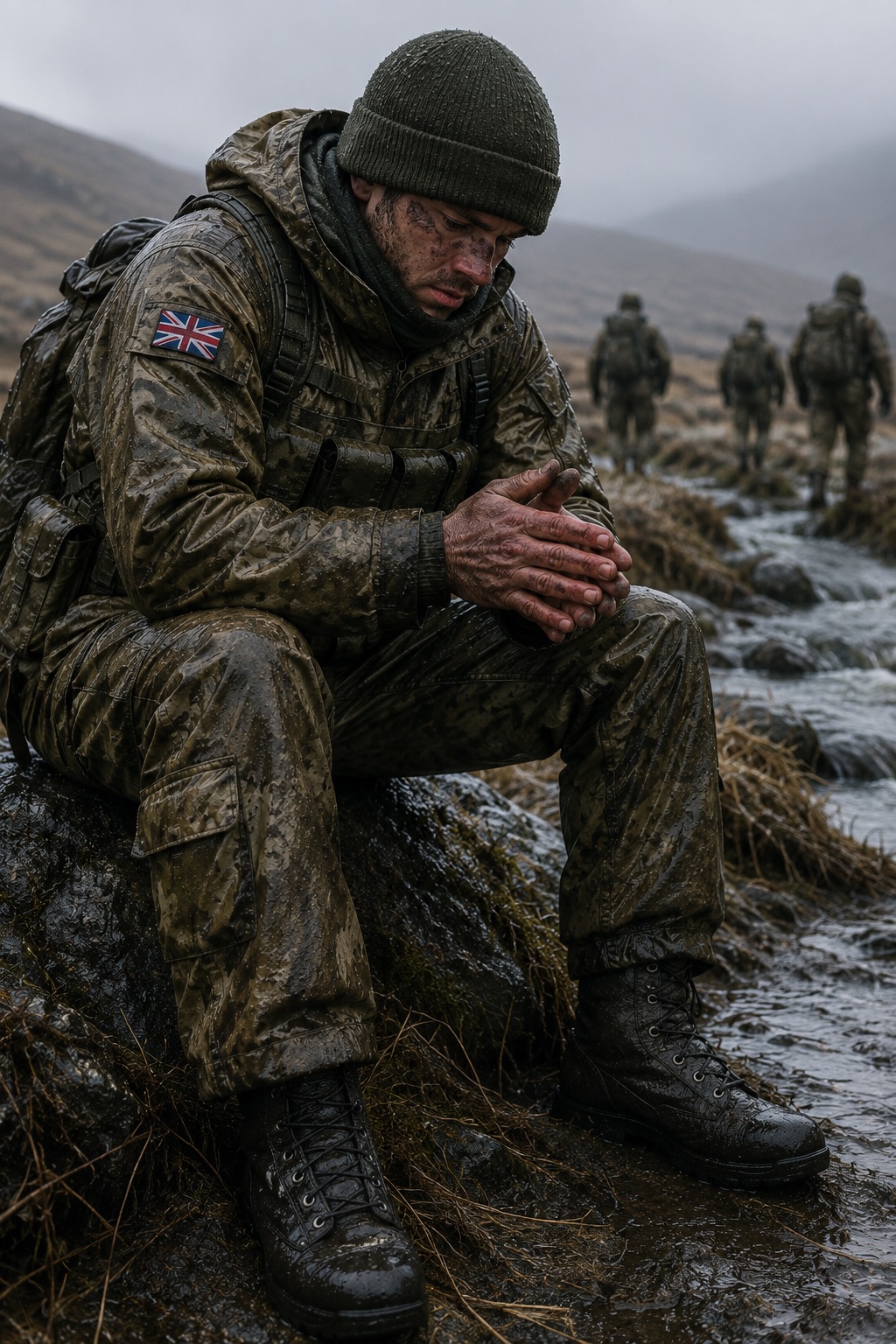
Military Cold Injury Compensation Claims
If you served in the UK Armed Forces and now suffer from numbness, pain, or circulation problems linked to cold exposure during service, you may be entitled to compensation. This page explains what cold injuries are, how they happen during military service, whether you’re likely to qualify, and what you could receive.
- No Win No Fee
- Free Hearing Test
- Keep 100% Compensation
What Is a Military Cold Injury?
Cold injuries are a recognised category of service-related injury, most often affecting infantry, special forces, and sailors who face prolonged exposure to wet and cold conditions. There are two main types.
Non-Freezing Cold Injury (NFCI)
MOST COMMONCaused by prolonged exposure to cold, wet conditions above freezing point. Common during training exercises, field operations, and maritime service. Often affects the hands and feet, making it the most frequently claimed cold injury among UK veterans.
Freezing Cold Injury (FCI)
LESS COMMON — MORE SEVERECaused by exposure to sub-zero temperatures, including frostbite. Less common, but typically linked to Arctic, mountain warfare training, or operations in extreme cold climates.
Both injuries can cause lasting, sometimes permanent damage and are recognised as service-related conditions that may entitle eligible veterans to compensation.
Who's Most At Risk?
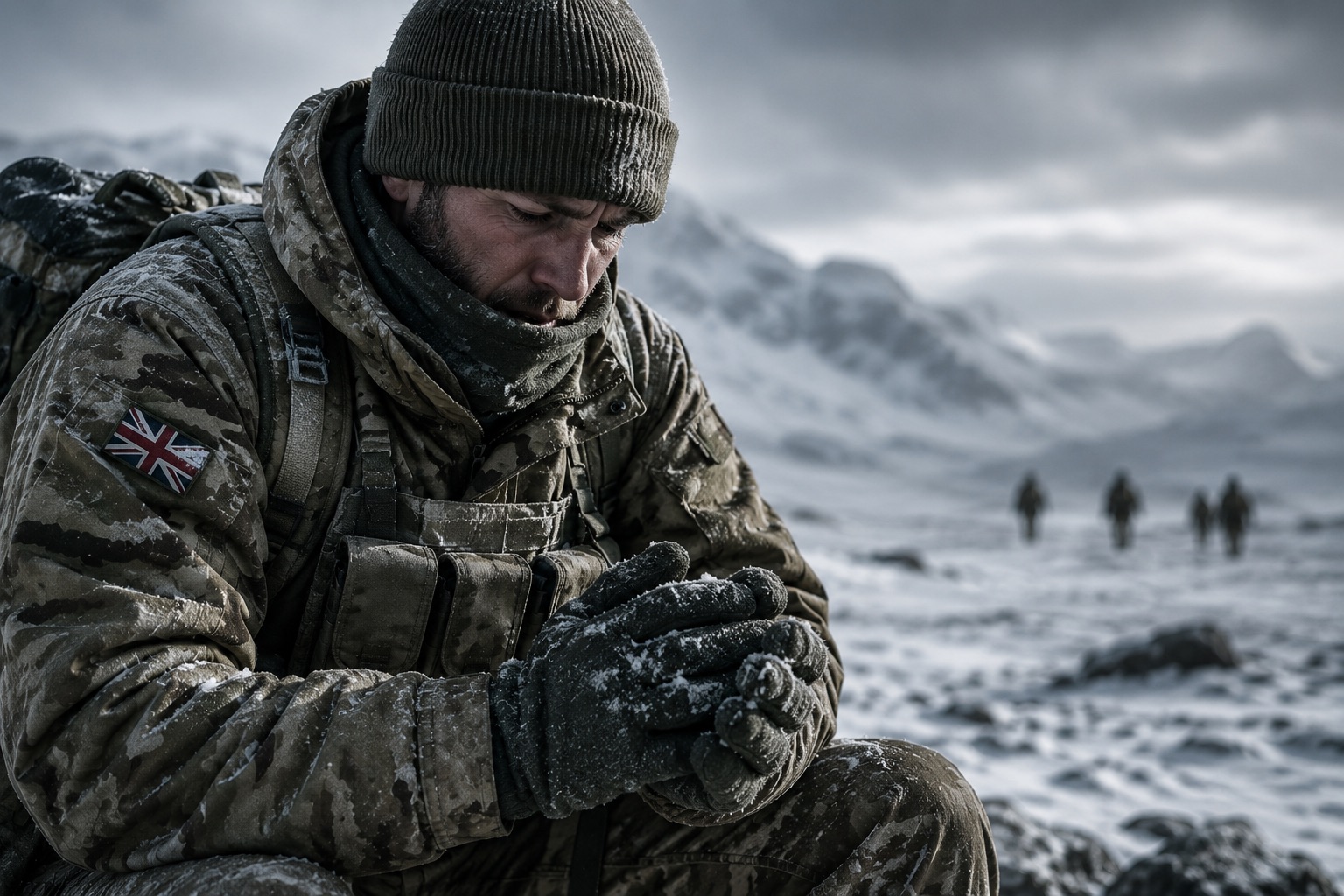
NFCI is sometimes referred to as "Trench Foot". It remains one of the most under-recognised service-related injuries affecting UK Armed Forces veterans.
Common Symptoms
Cold injury symptoms can persist for years — or even permanently — after the original exposure.
Numbness or Reduced Sensation
Numbness or reduced sensation in fingers, toes, hands or feet — often the first and most persistent symptom.
Ongoing Pain or Burning
Ongoing pain, tingling or burning sensations in affected areas — particularly when exposed to cold again.
Skin Colour Changes
Colour changes to the skin including pale, blue, red or blotchy patches, especially in cold conditions.
Increased Cold Sensitivity
Increased sensitivity to cold long after the original exposure. Your hands or feet may become painful much more quickly than they should, even years later. This is one of the most common long-term effects of Non-Freezing Cold Injury (NFCI).
Swelling or Skin Changes
Swelling or lasting skin changes in affected areas including shininess, thinning skin or altered texture in the hands or feet.
If any of these symptoms developed during or after your service and you haven't previously looked into a claim, it's worth checking your eligibility. Many veterans live with these symptoms for years without realising they could claim compensation.
Am I Eligible?
You may have a valid claim if the following apply to you.
Served in the British Armed Forces
You served in the British Army, Royal Navy, RAF, or Royal Marines at any time.
Served After May 1987
Crown Immunity was lifted in May 1987, allowing military hearing loss claims.
Exposed To Loud Noise
Gunfire, aircraft, heavy machinery, explosions or prolonged military noise.
Experience Hearing Problems
Hearing loss, tinnitus, ringing, buzzing, or balance issues.
Symptoms Started During Or After Service
Your symptoms developed during service or became noticeable afterwards.
Within The Relevant Time Limit
Most claims are made within three years of diagnosis, although exceptions may apply.
How Much Could I Claim?
Compensation for cold injuries varies significantly depending on the severity of your condition and how it affects your daily life.
Mild — Largely Resolved
Initial symptoms that have mostly recovered with minimal long-term impact.
Moderate — Ongoing Symptoms
Persistent symptoms affecting work, mobility or day-to-day activities.
Severe — Permanent Damage
Permanent nerve damage, circulation problems or lasting disability caused by service.
Important:
Compensation amounts vary depending on your individual circumstances and medical evidence. Figures should always be confirmed following a full legal assessment and review of your case.
Why don't we publish exact figures?
Unlike hearing loss claims, cold injury compensation is assessed on a case-by-case basis using Judicial College Guidelines. We prefer giving honest advice based on your individual circumstances rather than publishing misleading numbers. Get your free case review and we'll explain what your claim may be worth.
The Claims Process
From first contact to compensation — here's exactly what happens. See the full "How It Works" page for more detail.
Quick Online Check
Complete our 60-second eligibility checker or call us free. We'll tell you straight away whether you may have a claim.
Free Case Review
Our specialist team reviews your service history, hearing symptoms and available evidence completely free.
Medical Assessment
We arrange an independent medical assessment to support your claim.
Compensation Paid
Your solicitor manages the claim from start to finish. No Win, No Fee — you keep 100% of your compensation.
Free Hearing Test
As part of your claim, we can arrange a free, independent hearing assessment with a qualified audiologist. This isn't just a formality — it's often a key piece of evidence supporting the strength and value of your claim.
Start Your Claim
Complete the form below and a member of our veteran team will call you back within one working day. It's free, confidential, and there's absolutely no obligation to proceed.
- ✓ No win, no fee
- ✓ Free independent hearing assessment
- ✓ You keep 100% of your compensation
- ✓ Veteran-led team
Free Eligibility Check
Takes less than 60 seconds
🔒 Your data is secure and never shared without consent
SECTION 7
Related FAQs
The most common questions about hearing loss and tinnitus claims.
My cold injury symptoms come and go — can I still claim?
Is there a time limit to claim for a cold injury?
Do I need medical records from my service?
Will claiming affect my military pension?
I was told cold exposure was "part of the job" — can I still claim?
What's the difference between NFCI and frostbite?
Ready to Check Your Eligibility?
Thousands of veterans have already received compensation for hearing loss and tinnitus. Takes less than 60 seconds. No obligation. No win, no fee.